
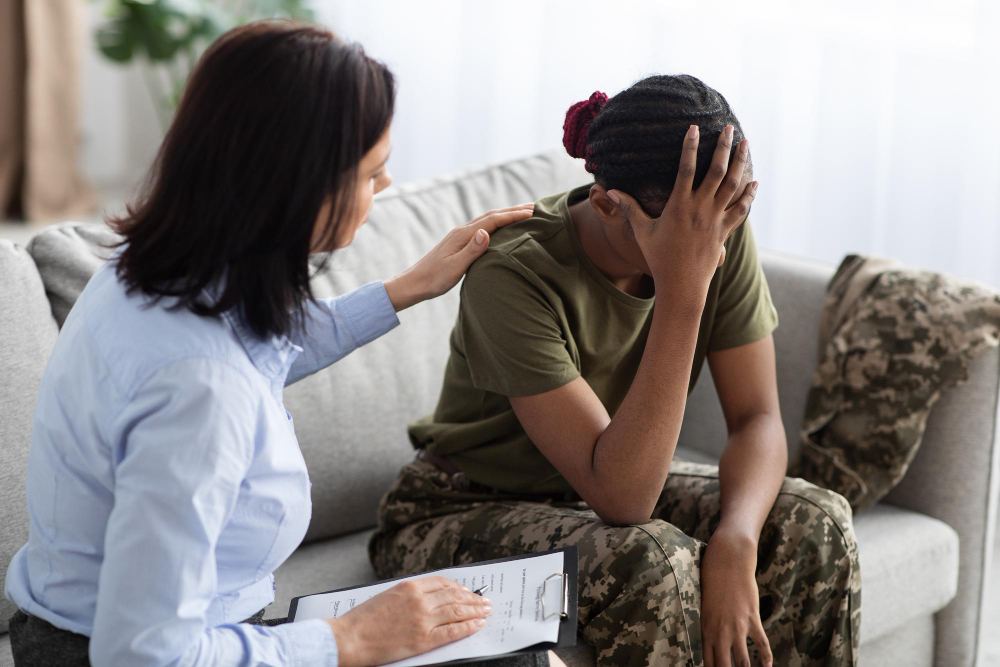
What is Post-Traumatic Stress Disorder (PTSD)?
Post-Traumatic Stress Disorder, or PTSD, is a mental health condition. It can develop after someone experiences or witnesses a traumatic event. For example, this could include accidents, natural disasters, violence, or war. While many people recover after trauma, some continue to feel stress long after the event. As a result, PTSD can affect daily life, relationships, and overall well-being. According to the World Health Organization, PTSD is common and treatable. Early support can help with trauma recovery and mental health help.
Common Symptoms of PTSD
PTSD symptoms can appear soon after trauma or even months later. However, not everyone experiences the same signs. Some common symptoms include:
Sometimes, these symptoms can make daily tasks hard. But with the right PTSD support, many people see improvement.
Causes and Risk Factors
PTSD can happen to anyone after a traumatic event. However, some factors may raise the risk, such as:
Even so, not everyone with these risk factors will develop PTSD. Each person reacts differently to trauma.
How PTSD is Diagnosed
First, a mental health professional will ask about your symptoms and history. They may use special questions or checklists to help. For a PTSD diagnosis, symptoms must last more than a month and cause problems in daily life. Sometimes, doctors may check for other mental health conditions too. Early diagnosis can lead to better trauma recovery and mental health help.
Treatment Options for PTSD
Thankfully, many treatments can help with PTSD symptoms. Some common options include:
In addition, combining therapy and medication often works best. However, each person’s treatment plan should be tailored to their needs.
Support Strategies for Individuals and Families
Support from loved ones can make a big difference. Here are some ways to help someone with PTSD:
For families, taking care of your own mental health is important too. This way, you can offer better support.
Prevention and Coping Tips
While not all trauma can be prevented, some steps may lower the risk of PTSD:
Above all, remember that healing takes time. But with the right PTSD support, many people recover well.
When to Seek Professional Help
If PTSD symptoms last more than a month or disrupt daily life, it is time to seek help. For example, if you feel hopeless, have trouble working, or think about self-harm, reach out to a mental health specialist. Early treatment can improve trauma recovery and overall well-being. In many cities, PTSD support is available through clinics, hospitals, and community centers.
If you or someone you know is struggling with PTSD, consult a mental health specialist for personalized guidance.