
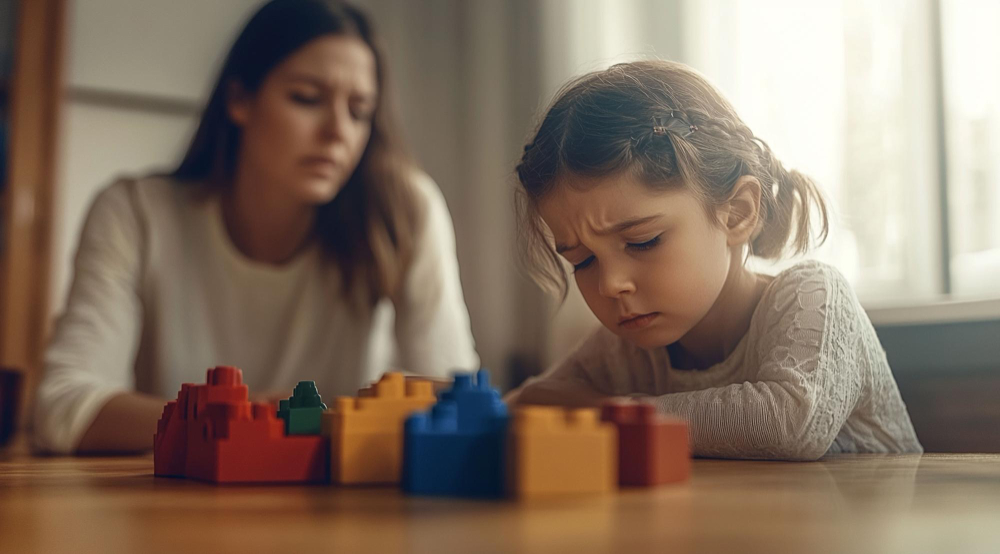
What is Psychological Trauma in Children?
Psychological trauma in children happens when a child faces a deeply distressing or scary event. This can affect their emotions, thoughts, and behavior. For example, trauma may come from accidents, abuse, or witnessing violence. Because children are still growing, trauma can change how they feel about themselves and the world. Early support can help children heal and feel safe again.
Common Symptoms and Warning Signs
Children show trauma in many ways. Sometimes, the signs are easy to miss. However, knowing what to look for can help adults provide support. Here are some common symptoms of childhood trauma:
In addition, some children may regress, acting younger than their age. If these signs last for weeks or get worse, it is important to seek help.
Causes and Risk Factors
Many things can cause psychological trauma in children. Some events are sudden, while others may happen over time. Common causes include:
However, not every child reacts the same way. Some risk factors make trauma more likely to affect a child. For instance, children with little support, ongoing stress, or a history of trauma may be at higher risk.
How Psychological Trauma is Diagnosed
Diagnosing psychological trauma in children involves several steps. First, a mental health professional will talk with the child and their caregivers. They may ask about the child’s feelings, behavior, and recent events. Next, they may use special questionnaires or checklists to understand the symptoms. Sometimes, teachers or other adults are also asked for their observations. Early diagnosis helps children get the right support quickly.
Treatment Options and Support Strategies
There are many ways to help children recover from trauma. Treatment often depends on the child’s age and needs. Common child trauma treatments include:
In addition, support for traumatized children includes creating a safe, stable environment. Caregivers should listen, offer comfort, and keep routines. Schools can also help by providing extra support and understanding. With the right help, most children can recover and thrive.
Prevention and Coping Tips for Families
While not all trauma can be prevented, families can take steps to lower risks. Here are some tips:
Moreover, families should take care of their own well-being. When adults manage stress, children feel safer. Remember, early support can make a big difference in a child’s recovery.
If you suspect a child is experiencing psychological trauma, consult a mental health specialist for personalized guidance.