
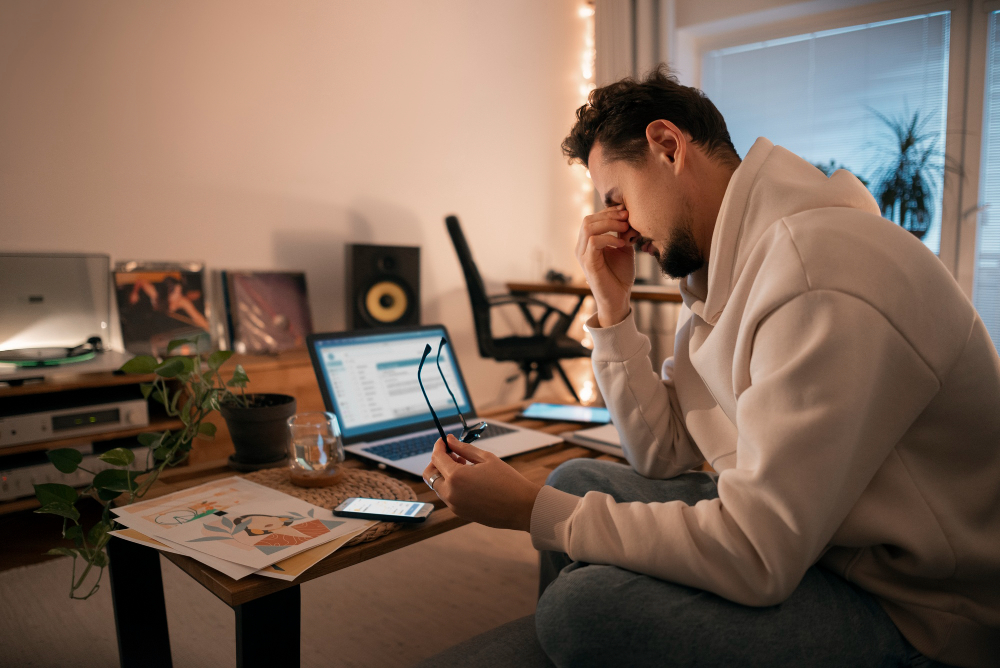
Introduction: The Link Between Modern Work Culture and Anxiety
Today, many people feel anxious because of their jobs. This is known as modern work culture anxiety. Anxiety is a feeling of worry or fear that can affect your body and mind. In recent years, changes in how we work have made anxiety more common. For example, long hours, remote work, and job insecurity can all add stress. As a result, more people are looking for ways to cope with workplace anxiety and protect their mental health.
How Modern Work Culture Contributes to Anxiety
Modern work culture has changed a lot. Because of this, new stressors have appeared. Here are some key factors that can increase anxiety:
Additionally, the pressure to always be available can make it hard to rest. According to the World Health Organization (WHO), workplace stress is a growing problem worldwide.
Common Symptoms of Work-Related Anxiety
Workplace anxiety can show up in many ways. It can affect your body, emotions, and actions. Here are some common symptoms:
Sometimes, these symptoms can make daily life harder. If you notice them often, it may be time to seek help.
Diagnosis: How Professionals Identify Work-Related Anxiety
Doctors and mental health specialists use questions and checklists to spot anxiety. First, they ask about your feelings and work habits. They may also check for physical symptoms. Sometimes, they use simple tests to measure anxiety levels. According to the Centers for Disease Control and Prevention (CDC), early diagnosis helps people get the right support.
Solutions and Coping Strategies
There are many ways to manage anxiety caused by modern work culture. Here are some practical tips:
In addition, using technology wisely can help. For example, turn off work notifications after hours to protect your free time.
Prevention: Reducing Anxiety Risks in the Workplace
Both individuals and companies can help prevent workplace anxiety. Here are some ways to lower the risk:
When workplaces support mental health, everyone benefits. This can lead to happier and more productive teams.
When to Seek Help
Sometimes, anxiety becomes too much to handle alone. You should seek help if you notice these warning signs:
If you notice these signs, it is important to talk to a mental health professional. Early support can make a big difference.
If you’re experiencing anxiety related to work, consult a mental health specialist for personalized guidance.